

10 WAYS TO IMPROVE WINE TOURISM IN GREAT BRITAIN.
England’s wine industry is booming, with vineyards sprouting up across the country and a growing number of visitors flocking to experience the country’s unique wines. Wine tourism is now a significant part of England’s travel sector.
In fact, a 2023 Wine GB report found that there were 1.5 million visits to a UK vineyard or winery, that’s 55% more than the previous year. And, it’s a number that’s expected to grow. Especially as there are now 300 vineyards in the UK offering some form of wine tourism. But as the industry grows, there’s always room for improvement. So, how could the wine industry in Great Britain improve? And how could we learn from vineyards overseas?
I’m so excited about wine tourism in Great Britain and I can’t wait to see how it evolves in coming years.
Here are 10 ideas to enhance the wine tourism experience, with a few international examples thrown in for inspiration.


1/ Wine trails
Wine trails are an excellent way to explore a region’s best vineyards in a structured way, and they’re popular overseas for a reason. Take the Barossa Valley in Australia, for example, where the wine trail connects some of the best wineries in the region via scenic drives. It’s a fantastic way to explore and discover hidden gems along the way.
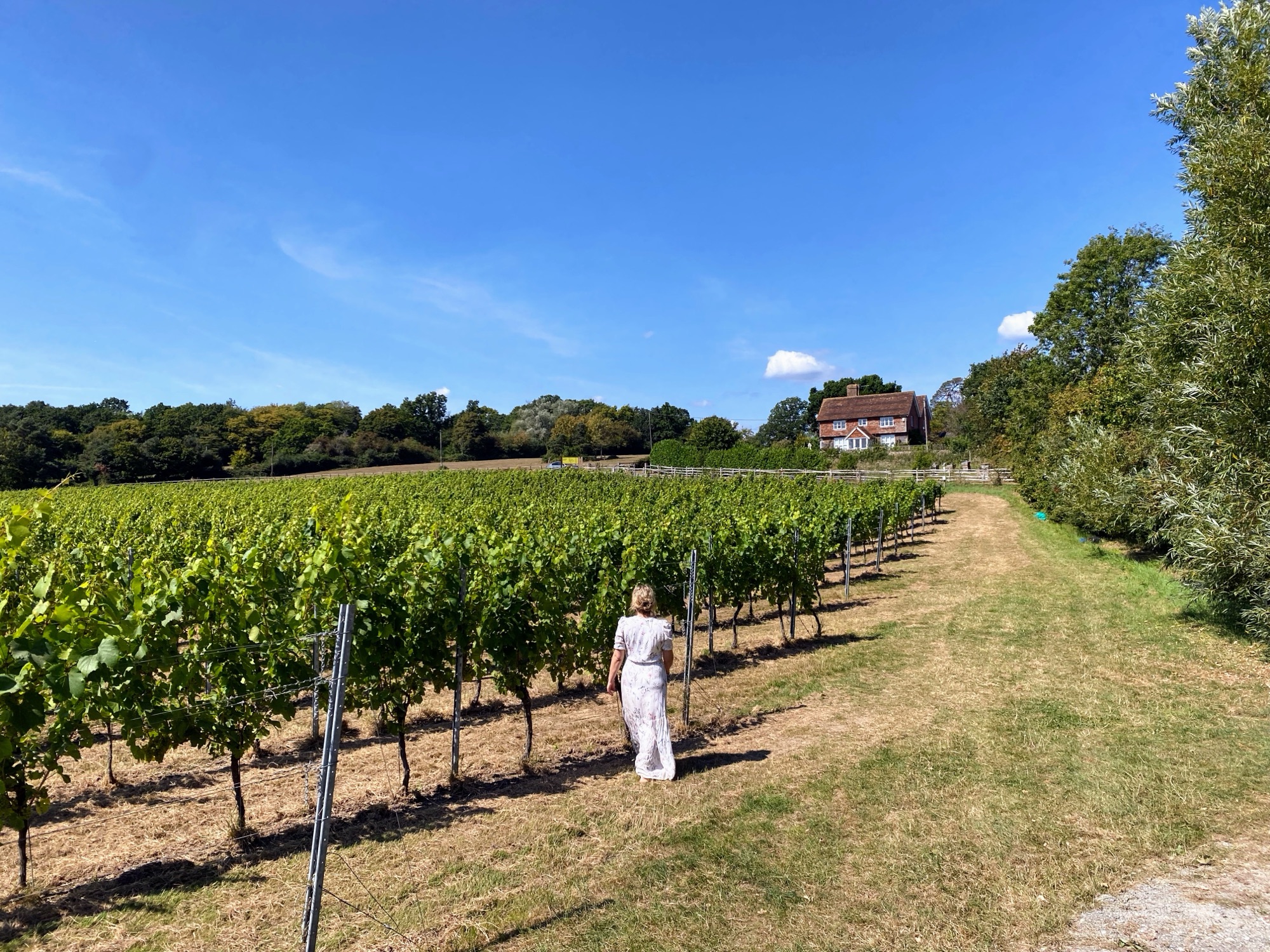
Back in the UK, we now have the Wealden Wine Trail in Sussex, which showcases the area’s fantastic vineyards.
While it’s an excellent initiative, one of the downsides is the lack of public transport links, making it a bit tricky for visitors without a car. Improving transport options could help make this trail more accessible to a wider audience, allowing more people to discover this beautiful corner of England.
2/ Transport & connection
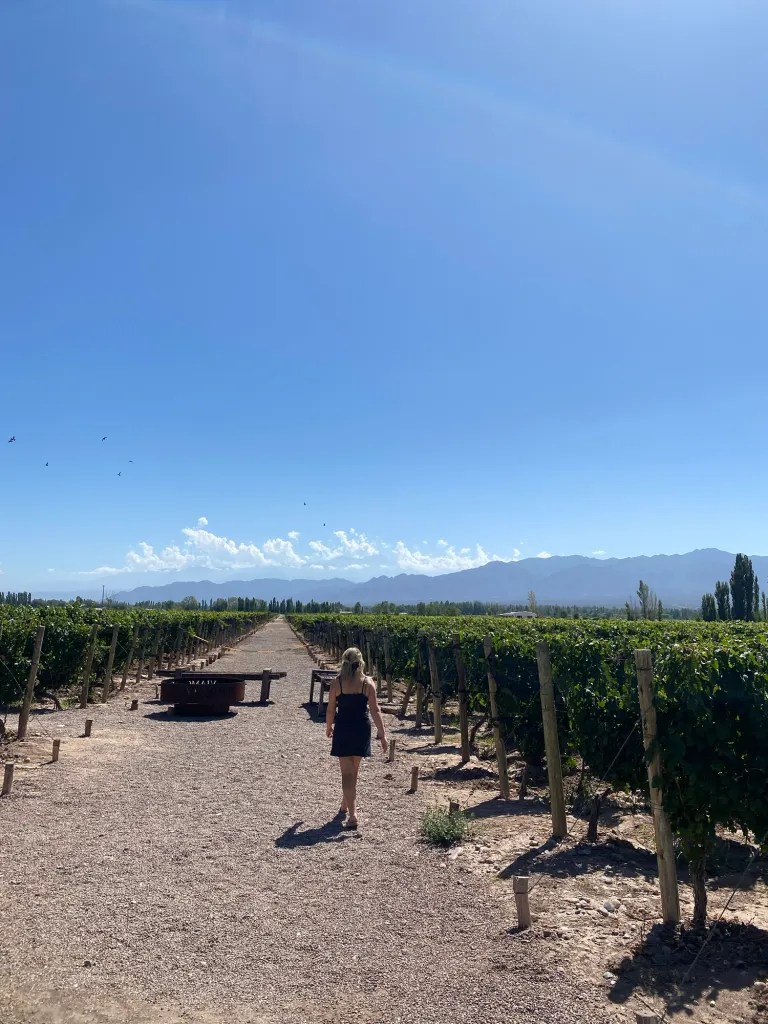
One of the best things about wine regions overseas is their connectivity. Take the Mendoza Wine Region in Argentina, where you can easily cycle between wineries, or the Franschhoek Wine Tram in South Africa, which offers a hop-on, hop-off service to visit multiple wineries.
In England, improving connections between vineyards could be a game-changer. Sure, there are tours that allow you to book private transport, but at the moment these are luxury affairs.
Imagine train or bus routes linking key wine regions like Sussex, Kent, and Hampshire, offering easy access for tourists without the hassle of driving. It would make vineyard-hopping even more accessible, and wine lovers could enjoy the countryside without worrying about transport.
Perhaps three of the best examples of well-connected vineyards are in Kent. First, The Mount Vineyard in Shoreham has a direct train from London that stops a short 5 minute walk from the property.
Wildwood Vineyard and Birchenden Vineyard are both a short stroll from train stations. And best of all, they are connected by the Spa Valley Railway Line – a heritage railway that is an event in itself. Find out more here.
3/ Approachability
Wine tourism should be welcoming to all, and part of that means ensuring the experience isn’t overly formal or pretentious.
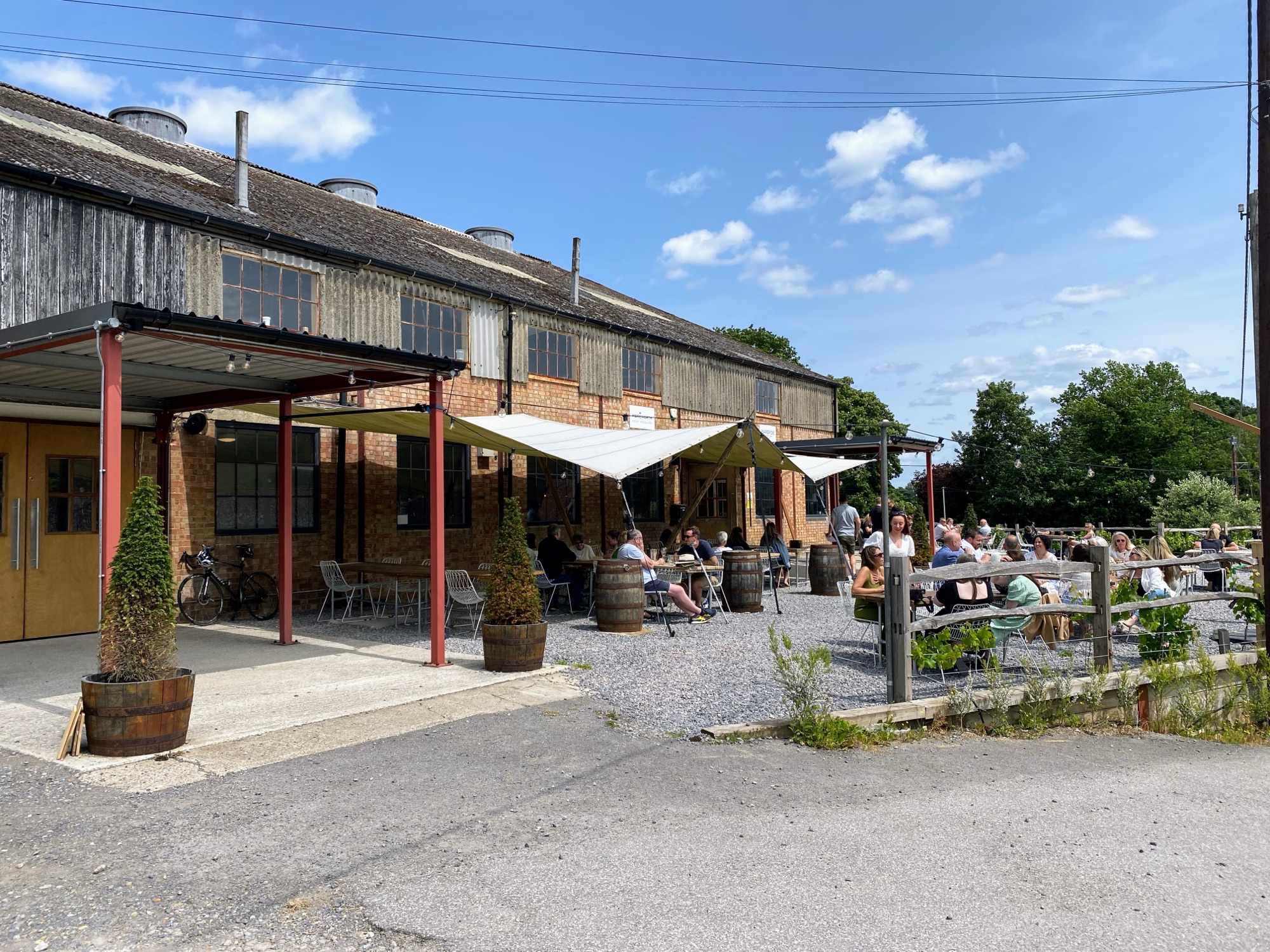
Some of the most memorable wine experiences I’ve had have been in places where the vibe is relaxed and the staff are approachable. Take Tillingham in Sussex – they’re known for their friendly, laid-back atmosphere, which makes wine-tasting feel less intimidating and more like a fun, educational experience.
The goal should be for visitors to feel comfortable, whether they’re wine enthusiasts or complete novices. Making sure that vineyards aren’t too stiff or formal creates a much more welcoming environment, where people can just relax, enjoy, and learn.
4/ Opening hours
When it comes to opening hours, having accurate, up-to-date information is essential, particularly for tourists who are planning their visits in advance. It’s frustrating when vineyard websites or brochures say one thing, but the actual hours are completely different, or they don’t match what’s listed on platforms like Google Maps. I’ve been burned by this – setting out on a hike to a vineyard in deepest darkest countryside only to find it closed.
Offering extended and clear opening hours is a great way to cater to more visitors, especially those who work 9-5. Imagine being able to pop into a vineyard for a sunset tasting after a busy day!
Knightor Vineyard in Cornwall is a great example of this. They regularly have events in the evening – later this year, they have an Apres Ski event! And in Kent, Westwell Wine Estate hosts regular Friday night pizza nights and supper clubs too.
5/ Ease of booking
Booking a wine tour or tasting experience should be as seamless as possible. In places like California’s Napa Valley, you can book vineyard tours online months in advance with ease. While some English vineyards have moved online, many still rely on phone bookings or walk-ins.
Streamlining the booking process and offering online reservations with clear details about availability, tour options, and prices would make planning a trip to a UK vineyard much more convenient. It would also help ensure more consistent visitor numbers and better management of tours.
Balfour vineyard in Kent do online booking really well – you can even book a table on their terrace a few months in advance. I noticed recently that a few more vineyards are popping up on Get your Guide too – a booking agent with an easy to use app, ideal for overseas visitors. You can book a wine tasting and tour at Squerrys with just a few clicks!
6/ Wine festivals
Wine festivals are a wonderful way to immerse yourself in the local culture and sample a range of wines in one place. I have a long standing memory of the first ever wine festival I attended. My Mother and I were in Florence and we stumbled upon a wine festival – we bought glasses for a couple of euros and tokens and could exchange these for samples. Dreamy!
Last year I visited Lake Ohrid, in North Macedonia, which is home to an annual wine festival where visitors can explore local wines, meet the winemakers, and enjoy the region’s best culinary offerings. England could greatly benefit from more wine festivals that celebrate both local vineyards
There are some great wine events, often held during English Wine Week in June, or at vineyards – for example, Balfour in Kent hosted “Rosé Fest” in 2024, which was a lot of fun. But, I’m yet to see a wine festival take over a town square or pop up in London, or Brighton for example.
7/ Low cost tasting experiences
For wine tourism to be accessible, pricing is key. As an example, in Cyprus, many vineyards offer low-cost tastings, making wine tourism an affordable experience for all budgets.
In England, there are some fantastic low-cost options, but many premium vineyards can be a little on the pricier side. More affordable wine-tasting experiences could be a great way to encourage new visitors who might be hesitant to splurge on their first wine tour.
Offering a variety of tasting options at different price points, from casual flights to more premium experiences, could make wine tourism more inclusive.
8/ Informal experiences
In places like North Macedonia, wine tourism is often a more informal, relaxed experience.
This more informal approach, where visitors feel like they’re part of the family, could be an excellent addition to English vineyards, where many experiences are more structured.
Casual, no-pressure wine-tasting events or informal picnics at smaller, lesser-known vineyards would appeal to tourists looking for a more laid-back experience.
9/ Make it novel
One of the keys to an unforgettable wine tourism experience is making it feel fresh and unique.
Imagine offering vineyard foraging experiences, where guests could pick their own herbs or local ingredients that might pair perfectly with the wine they’re tasting.
Or how about interactive blind tastings, where visitors sample a selection of wines without knowing what they are and then try to guess the grape variety or region? These quirky, hands-on experiences would give visitors something new to look forward to, making their visit stand out.
That said, I’ve loved seeing loads of quirky events pop up at English vineyards. Yoga in the vines, Friday night pizza nights, supper clubs, even at Apres Ski night at one vineyard in Cornwall. Such fun!
10/ Vineyard accommodation
Vineyard stays are the perfect way to really immerse yourself in the wine experience.
Look at the Mendoza region in Argentina as an example. There are so many wonderful wine hotels in the Uco Valley, where staying in a vineyard rite of passage for wine lovers.
I’m pleased to say, that I think vineyards in the UK are really nailing this one. There are vineyards with accommodation dotted here and there. And, if you think it’s all luxury , think again. There are also many vineyards with campsites, making vineyards stays budget friendly.
I can’t wait to see where this industry goes in the next few years!
Where to next?


A few of my favourite things
Looking for a gift for yourself or a wine lover in your life? Here are a few of my favourite English Wine things.


Please note that some links on my website are partnered with affiliates. Using an affiliate link does not make it more expensive for you to purchase. We receive a small commission whenever you buy something which in turn allows me to keep writing independent content. Your support is greatly appreciated.
I participate in the Amazon Services LLC Associates Program, an affiliate advertising program designed to provide a means for sites to earn advertising fees by advertising and linking to Amazon.com. As an Amazon Associate, I earn from qualifying purchases.




Leave a Reply