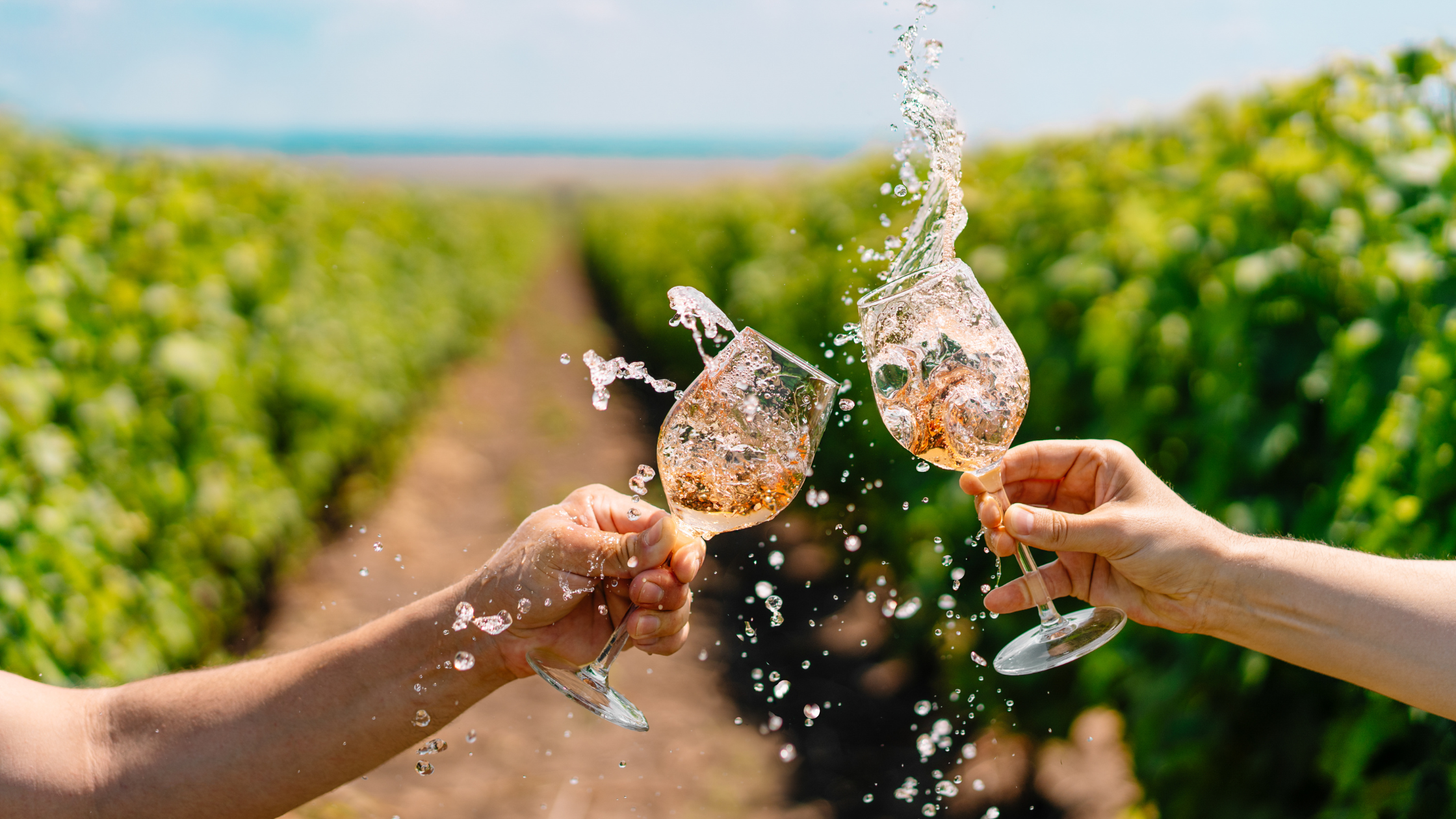

ENGLISH WINE 101: EVERYTHING YOU NEED TO KNOW.
English wine has been having a moment. Scratch that—it’s having a full-blown renaissance. Once dismissed as a curiosity, it’s now winning international awards, gracing Michelin-starred wine lists, and, most importantly, proving that the UK is a serious wine-producing country.
Whether you’re a total newbie or just need a refresher, here’s your essential guide to English wine—the grapes, the regions, and why you should be paying attention.
A Brief History: From Romans to Reinvention

Let’s start with a little history lesson (don’t worry, it’s a fun one). The Romans were the first to bring vines to England, though whether their wine was drinkable is another matter. Fast-forward a few centuries, and medieval monks gave viticulture a go. Then came a long, wine-less lull—blame colder climates, changing tastes, and the ever-reliable English rain.
It wasn’t until the mid-20th century that modern English winemaking began to take shape, with pioneers planting experimental vineyards. By the 1990s, sparkling wine production was gaining serious traction. Today, thanks to climate change (yes, it has an upside for English vineyards), improved techniques, and sheer dedication, English wine has skyrocketed in both quality and reputation.
What Makes English Wine Special?

1/ The Climate is (Now) Perfect
English wine thrives in what’s called a “cool climate.” This means long, slow ripening seasons, which create wines with high acidity, bright flavors, and a real sense of freshness. If you love Champagne, dry Riesling, or crisp Chablis, you’ll love English wine.
2/The Soils Are Gold (Metaphorically Speaking)
The chalky soils of southern England, particularly in Sussex, Kent, and Hampshire, are almost identical to those in Champagne. This is why English sparkling wine is often compared to—and sometimes beats—Champagne in blind tastings. Meanwhile, Essex’s drier, warmer conditions make it the UK’s best spot for still wines, especially Pinot Noir and Chardonnay.
3/It’s Genuinely World-Class
English wines have racked up an impressive collection of international awards, beating their French, Italian, and Spanish counterparts in prestigious competitions. If that’s not enough to convince you, just ask the experts—wine critics, sommeliers, and even the royal family are all fans.
4/ Innovative wine makers and entrepreneurs
One of the things that I absolutely love about the English wine scene, is that there are so many innovative wine makers. From the maverick natural wines of Tillingham, to the organic wine of Oxney and there are even urban wineries you can visit in London. For me, this is what makes the UK wine industry world class.
The Grapes: What’s Actually Growing Here?

Most English wines are made from classic cool-climate grape varieties. Here are the key players:
1/ Chardonnay
Yes, the same grape that makes up much of Champagne and Burgundy. In England, it’s used primarily for sparkling wine, but still Chardonnay is gaining ground, often showing crisp apple, citrus, and mineral notes.
Essex is producing some of the most well known Chardonnays, but you can find it in all key regions.
Not sure about Chardonnay? Think again. It’s not all heavy oak! Find out about my favourite Chardonnays here.
2/ Pinot Noir
Another Champagne and Burgundy staple, Pinot Noir is used for both sparkling and still wines. In England, Pinot Noir is used to make up English sparking wine. But there are also some banging still red Pinot Noir bottles. These tend to be light, bright, and full of red berry flavours—think strawberries, cherries, and a touch of spice.
Don’t think England produces decent red wine? Think again.
3/ Pinot Meunier
A lesser-known but vital Champagne grape, Pinot Meunier adds body and fruitiness to English sparkling wines.
There are also a few still Pinot Meunier bottles, most notably one produced by Simpsons wine estate in Kent. Find out more about the best Pinot Meunier here.
4/ Bacchus
If English wine had a signature still white grape, this would be it. Often compared to Sauvignon Blanc, Bacchus is fresh, zesty, and bursting with elderflower, gooseberry, and citrus flavours. It’s a summer-in-a-glass kind of wine.
As a bonus, Bacchus wines tend to be a touch less expensive than others. Find my favourite Bacchus wines here. And, it’s not just still wines! There are also fizzy Bacchus bottles – light, fresh and delicious.
5/ Seyval Blanc, Ortega, and Others
One of the things that I love about English wine, is that there are some unusual and niche grapes being used. This makes the wine really innovative and varied.
These lesser-known varieties also play a role, especially in early English winemaking, and you’ll still find some great examples today.
Find out all about the unusual grapes used in English wine that you may never have heard of.
The Wine Styles: Sparkling, Still, and Orange?

1/ Sparkling Wine: The Superstar
This is where English wine shines brightest. Most English sparkling wines are made in the traditional method (like Champagne), meaning they have complexity, fine bubbles, and a long aging process. Expect flavours of green apple, citrus, brioche, and toasted nuts.
Want to try the gold standard of English wines – try Nyetimber! A classic for a reason.
2/ Still White Wines: Crisp, Aromatic, and Underrated
Bacchus, Chardonnay, and even some cool-climate Rieslings are making waves. These wines are vibrant, dry, and incredibly food-friendly.
Find all my grape guides here.
3/Still Red Wines: The Underdog Rising
Red wine production in England used to be a rarity, but that’s changing fast—especially in Essex. Pinot Noir leads the way, producing light, elegant reds with bright fruit and earthy undertones.
Find my guide to the best English red wines here.
4/ Rosé: English Summer in a Bottle
With the acidity and freshness of English-grown grapes, rosé is naturally bright and fruit-forward. Whether sparkling or still, it’s a must-try.
Find my guide to the best Rose wines for summer here.
5/ Orange and Natural Wines: The Hipster’s Choice
Yes, England is getting in on the orange wine trend. Small-scale producers are experimenting with skin-contact whites and minimal-intervention wines, often with fascinating results.
Find out what I think about Orange wine here.
Where to Buy English Wine (Beyond the Vineyard)

If you can’t make it to a vineyard (though you absolutely should), English wine is now stocked in more places than ever. Major supermarkets like Waitrose carry a good selection, and independent wine shops often have an even better range. Find my guide to buying English wine in supermarkets here.
Online retailers like The English Vine and Grape Britannia specialize in home-grown wines, so you can have them delivered straight to your door. And, you can also buy English wine in Majestic Wine Warehouse – find my guide to the best ones here.
For dining out, high-end restaurants and even some pubs are proudly serving English wine by the glass. There are even wine bars dedicated to English wine – check out Cork in Tunbridge Wells.
The Future of English Wine: What’s Next?
So, where is English wine heading? The answer: straight up.
- More vineyards are being planted every year, with both large-scale producers and boutique winemakers expanding their operations.
- Climate change, while a double-edged sword, is making it possible to grow more grape varieties and produce consistently great vintages.
- Still wines are finally getting the recognition they deserve, especially in Essex.
- Wine tourism is booming—think vineyard stays, tasting experiences, and wine-paired fine dining.
In short, it’s a brilliant time to be an English wine drinker.
Final Thoughts: Why You Should Be Drinking English Wine
If you haven’t tried English wine yet, you’re missing out. It’s fresh, exciting, and completely unique. Whether you’re toasting with a world-class sparkling wine, sipping on a crisp Bacchus, or discovering a new favourite Pinot Noir, there’s never been a better time to dive into the world of English wine.
So, take you time and browse my website. You’ll find all my buying guides here, information on visiting vineyards here and all even vineyard accommodation guides.
Where to next?


A few of my favourite things
Looking for a gift for yourself or a wine lover in your life? Here are a few of my favourite English Wine things.


Please note that some links on my website are partnered with affiliates. Using an affiliate link does not make it more expensive for you to purchase. We receive a small commission whenever you buy something which in turn allows me to keep writing independent content. Your support is greatly appreciated.
I participate in the Amazon Services LLC Associates Program, an affiliate advertising program designed to provide a means for sites to earn advertising fees by advertising and linking to Amazon.com. As an Amazon Associate, I earn from qualifying purchases.







Leave a Reply