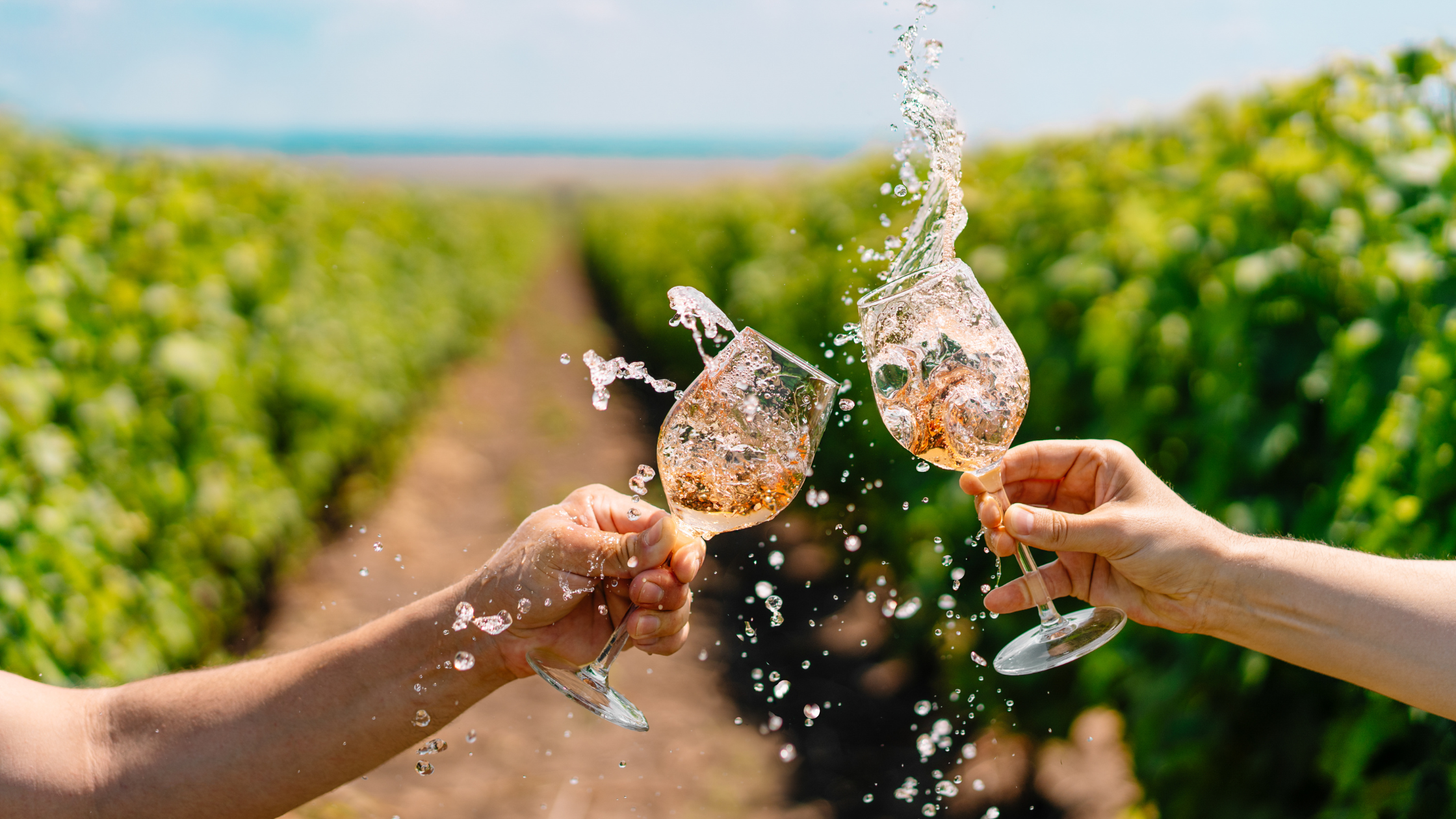

ENGLISH CHARDONNAY: A DIVISIVE DARLING OF THE VINE.
The realm of wine is ever-evolving, and amidst this dynamic world, English Chardonnay has emerged as a particularly polarizing player. Once overshadowed by its French ancestors and New World contemporaries, English Chardonnay is now both lauded and critiqued, splitting opinion among wine enthusiasts and experts alike.
English Chardonnay is currently undergoing a fascinating evolution, distinguishing itself in the global wine scene with its unique expressions shaped by England’s varied terroirs and innovative winemaking techniques.
Here’s a deeper look into this dynamic wine variety that’s both dividing and captivating palates.


Regional Diversity
The English wine regions like Kent, Sussex, Essex, Surrey, and Dorset are “crushing it” with their awesome Chardonnays! These places have a lot in common, like the climate and soil. They’ve got chalk limestone soils just like those fancy areas in France – Chablis and Champagne. This connection gives the wines a unique mineral vibe, especially in the crisp and lively English Chardonnays.
Of the Chardonnay wines that have won awards on the global stage, the vast majority of producers are in Kent. And, many of the big wine producers in these counties predominately grow Chardonnay – in 2023 Balfour Winery harvested a whopping 96,000 chardonnay vines!
Stylistic Expression
English Chardonnay comes in all sorts of styles, from crisp and mineral-like to lush and intricate. When the weather’s cooler, you get wines with extra zing and less bold fruit flavors, often tasting like green apple, citrus, and flowers. It’s a whole different vibe from the richer, oakier Chardonnays made in hot spots like California and some parts of Australia.
In England, winemakers do their own thing with oak aging – some use new oak for vanilla and spice, while others stick to neutral oak or stainless steel to keep things fresh and true to the grape.
An Essex vineyard, Danbury Ridge which claims to have the warmest and driest soil in England, produces an exquisite oaked Chardonnay. They choose to ferment and mature the wine in French oak for 18 months.
English Chardonnay on the Global Stage
The world of wine is totally digging English Chardonnay these days. It’s like, people are comparing it to the big shots out there and loving what they taste. And you know what? It’s all thanks to the way those English winemakers are doing things – super careful and sustainable, really bringing out the unique flavors of the land.
In fact, over the years English wine makers won seven prestigious Decanter wine awards for Chardonnay in 2023 alone. This included a Gold award, given to Gusbourne Winery for their Guinevere Chardonnay.
The Critique
We’ve all heard the expression “anything but chardonnay” – this is particularity aimed at heavy oaky chardonnays that were so prolific in the 1990s. Personally, I’m more in the camp of “anything chardonnay,” I’m a big fan. But, I can see why back in the 90s there was a perception that chardonnay, particularly American wine, had become homogeneous. English Chardonnay is anything but homogeneous.
Detractors of English Chardonnay often complain about its sharp acidity and less fruity taste. The English weather, while good for slowly ripening grapes, doesn’t always bring the warmth needed for richer, tropical flavors that some people prefer. Also, since the English wine industry is still pretty young, winemaking techniques and vineyard management are still being figured out, which can lead to some inconsistency in quality.
The Appreciation
On the flip side, some people say the things that others don’t like about English Chardonnay are actually what makes it stand out. They love the zesty acidity and earthy flavors because they go great with all kinds of food and really show off where the grapes are grown – which is a big deal in the wine world.
And as more folks around the world get into trying new wines, they’re finding that English Chardonnay’s fresh, clean taste is a nice change from the heavier, oaky wines out there.
The Future
As English wine keeps getting better, you can expect some fancy upgrades in techniques and quality. There’s a lot of investment going into researching vine-growing, managing vineyards better, and making wine with more skill. It looks like English Chardonnay is going to get a major glow-up! With climate change shaking things up in the usual wine spots, England’s cooler weather could put it at the front of the pack for making top-notch Chardonnays that suit the changing tastes around the world.
Where to next?







Leave a Reply to Taste Test: Lyme Bay Chardonnay 2022 Review & Pairing Tips – English Wine GuideCancel reply